Table of Contents
Because traffic is cheap. Growth is not.
I have seen many businesses run LinkedIn ads and still wonder where the money went. The dashboard shows clicks, impressions, and engagement, but sales teams ask one simple question: did it bring revenue? That is the real challenge. LinkedIn Ads can be powerful for B2B, but only when you measure the right things. If you are only watching views and likes, you are missing the story your data is trying to tell.
In this guide, I will walk you through how I use LinkedIn Ad Measurement to connect campaigns with leads, conversions, and real pipeline value. Not theory. Not fluff. Just a practical framework that helps turn ad spend into business growth.
Stop guessing. Start proving.
When I first started running LinkedIn campaigns, I made the same mistake most marketers make. I focused on traffic and engagement. The numbers looked good, but the business impact was unclear. Over time, I learned that LinkedIn is not about vanity metrics. It is about tracking how professionals move from awareness to trust and finally to action.
LinkedIn is built for B2B targeting. You are not advertising to random users. You are reaching founders, managers, buyers, and decision makers. That makes measurement even more important. If you do not track conversions, cost per lead, and audience performance, you are basically driving blind.
In this article, I explain how I choose the right campaign objectives, which LinkedIn ad metrics actually matter, how I set up tracking, and how I optimize campaigns using real data instead of assumptions. If your goal is leads, demos, or revenue, this approach keeps your budget accountable.

Your goal decides your results.
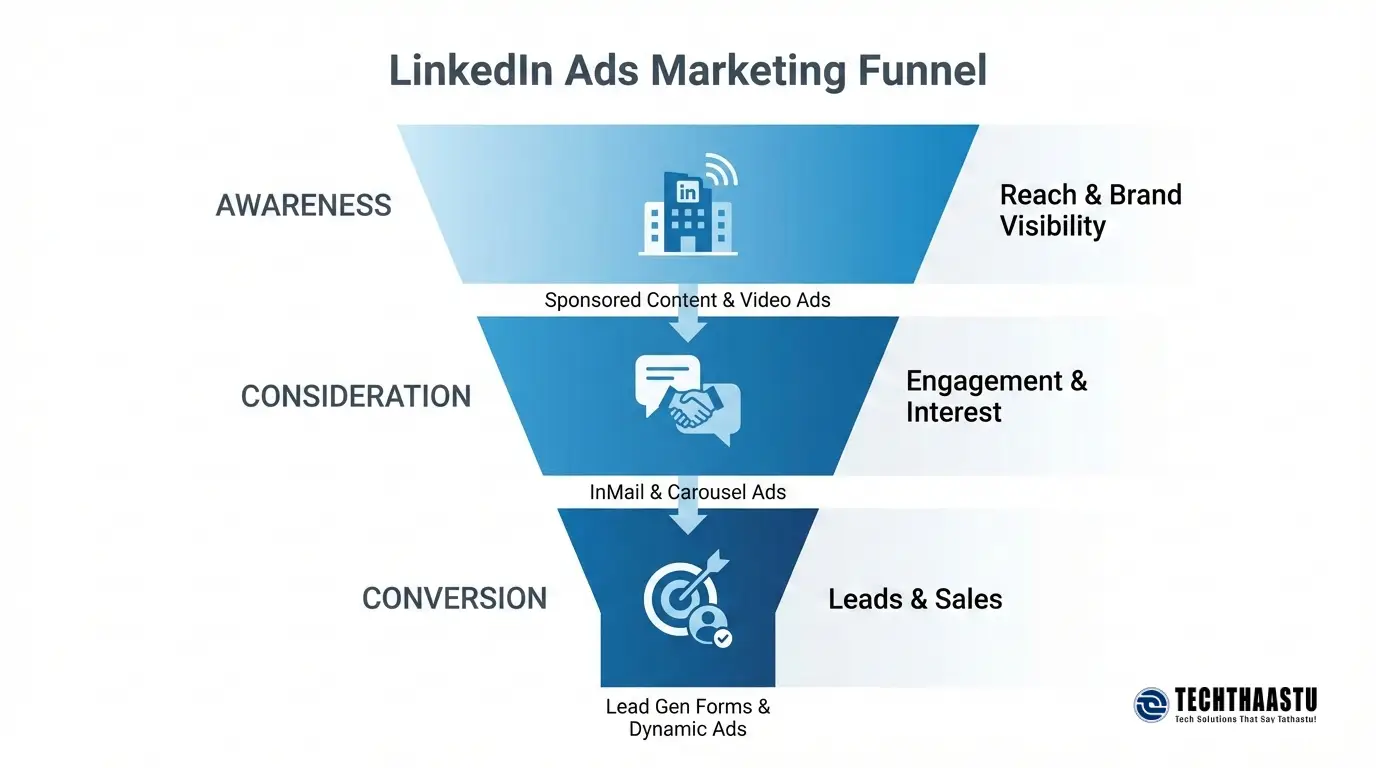
Every LinkedIn campaign starts with an objective, and this choice shapes everything that follows. If you choose the wrong one, LinkedIn optimizes for the wrong behavior and your budget gets wasted.
Here, my focus is visibility. I want professionals to notice the brand before asking them to buy. Metrics like reach and engagement tell me whether the message is landing properly.
At this stage, users start clicking, reading, and interacting. I use this for blog promotion, webinars, or product education where trust is built.
This is where money is made. Demo requests, form submissions, downloads, and signups live here. If the business wants revenue, this is the objective I prioritize.
Choosing the correct LinkedIn campaign objective ensures the platform works for your business goal instead of just delivering impressions.
Noise fades. Signals grow.
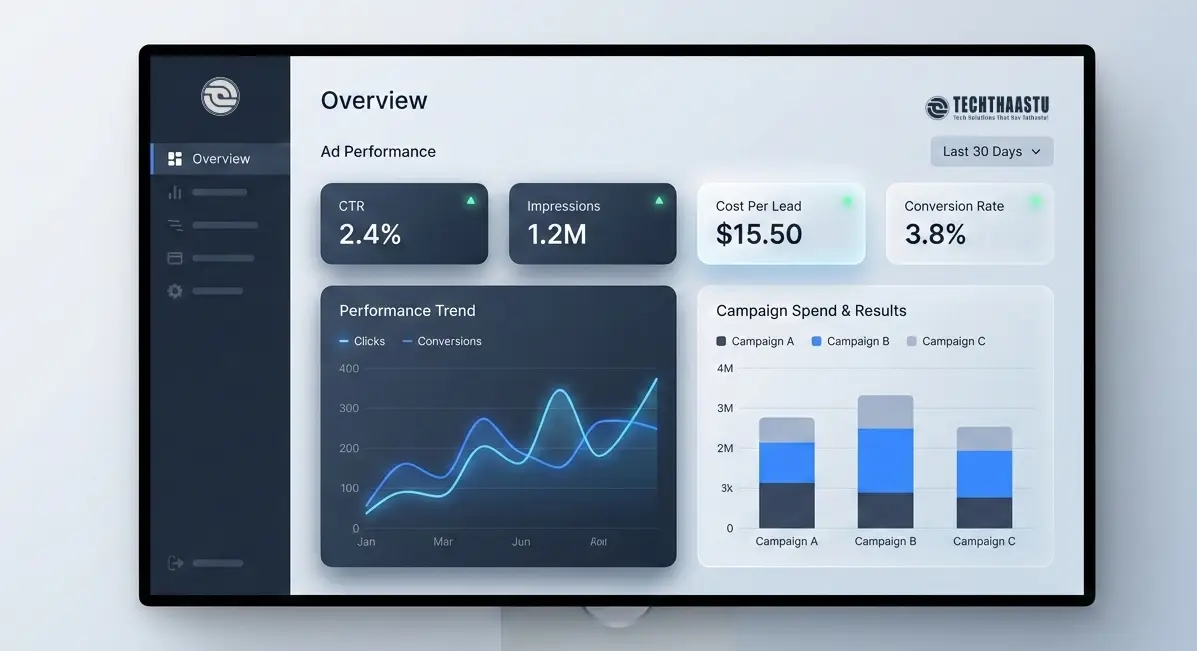
One mistake I see often is tracking every metric without context. That creates confusion instead of insight. I always match metrics with intent.
These tell me if the message and creative design are working.
When I focus on these metrics, my LinkedIn ads stop being traffic campaigns and start becoming revenue systems.
If you cannot track it, you cannot scale it.
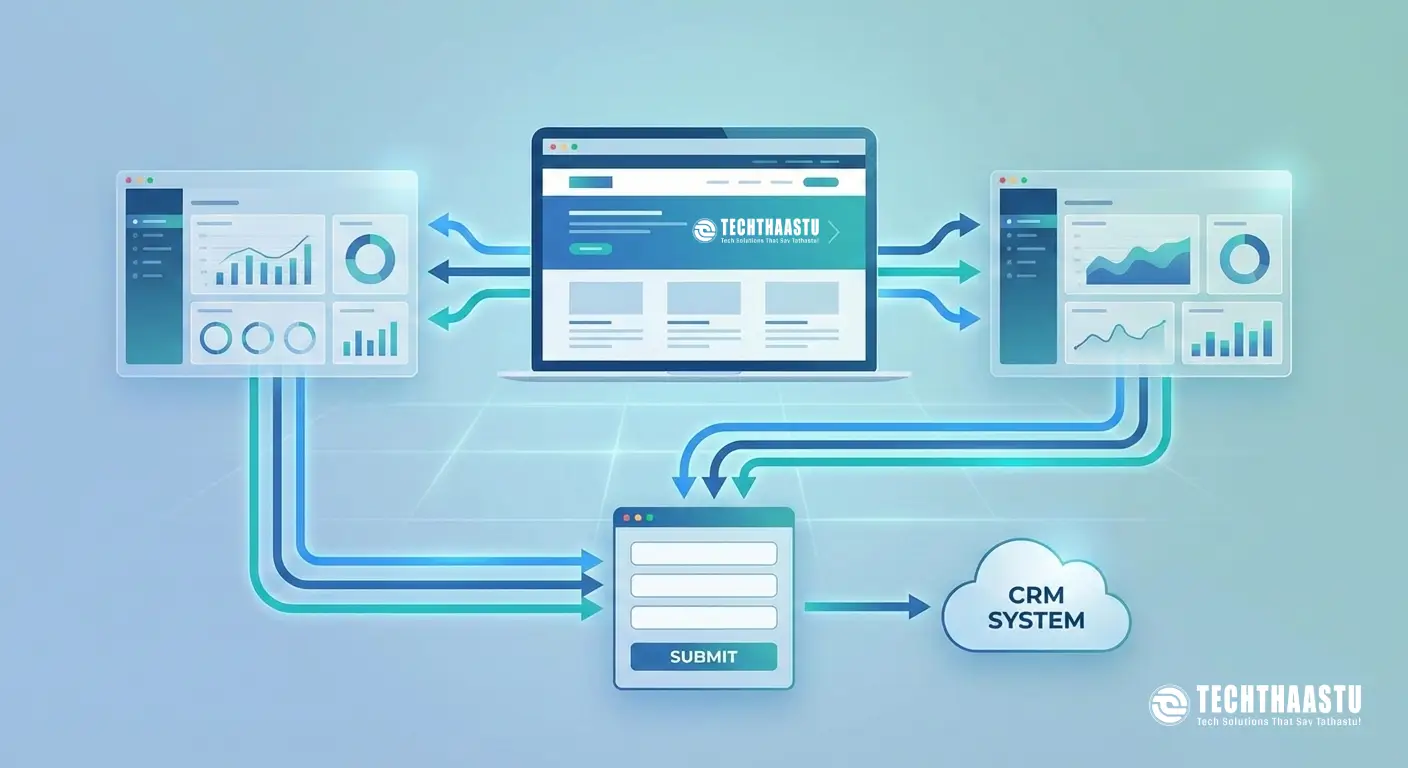
Measurement becomes powerful only after tracking is configured properly. LinkedIn gives two strong tools that I always use.
These forms live inside LinkedIn and auto-fill user data. That reduces friction and increases submission rates. I track leads, CPL, and completion rate here.
By placing the LinkedIn Insight Tag on my website, I connect ad clicks to real actions like demo bookings and downloads. This shows which campaigns actually create business outcomes.
Once tracking is live, I know exactly which ad and audience segment brings value and which only looks good on paper.
Data is useless until you act on it.
LinkedIn Campaign Manager is where insights become decisions. I start by recording baseline numbers like CTR, CPL, and conversion rate. Then I compare performance weekly.
From the reports, I can:
Instead of reacting emotionally, I let performance guide the budget. That alone improves LinkedIn ad ROI over time.
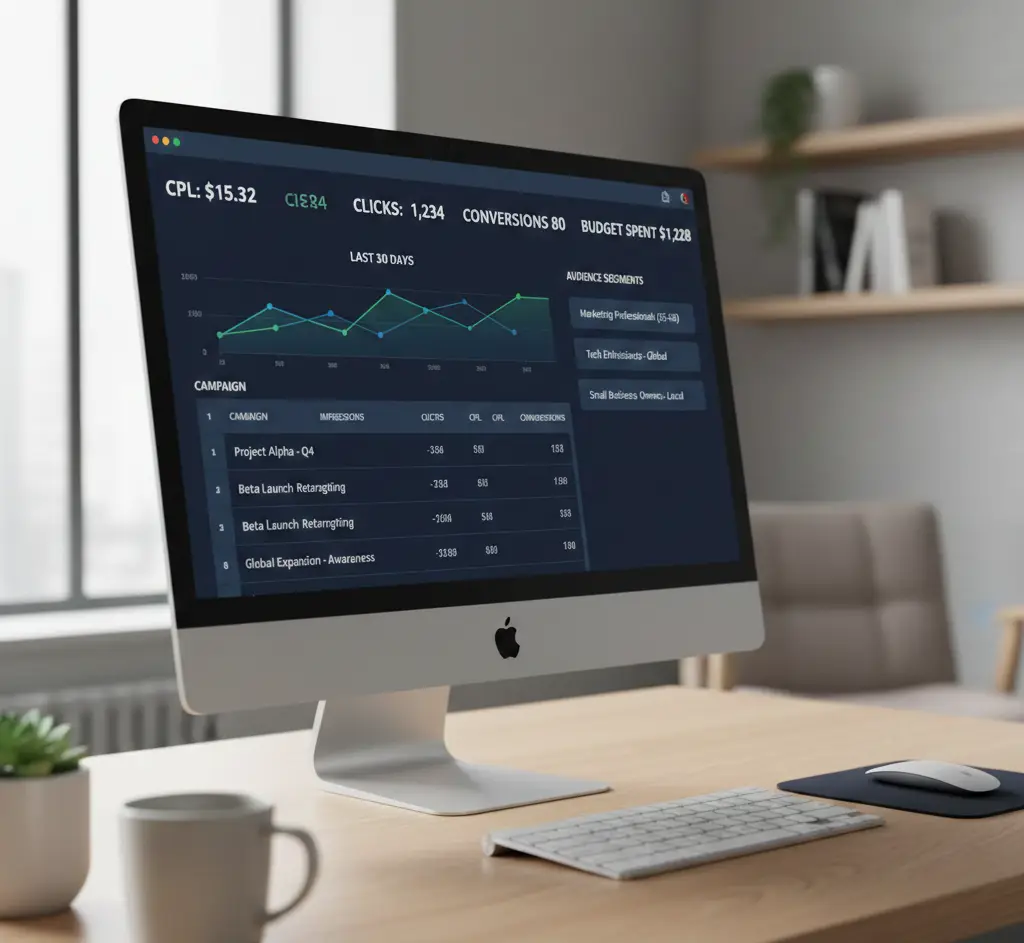
Stop guessing your audience.
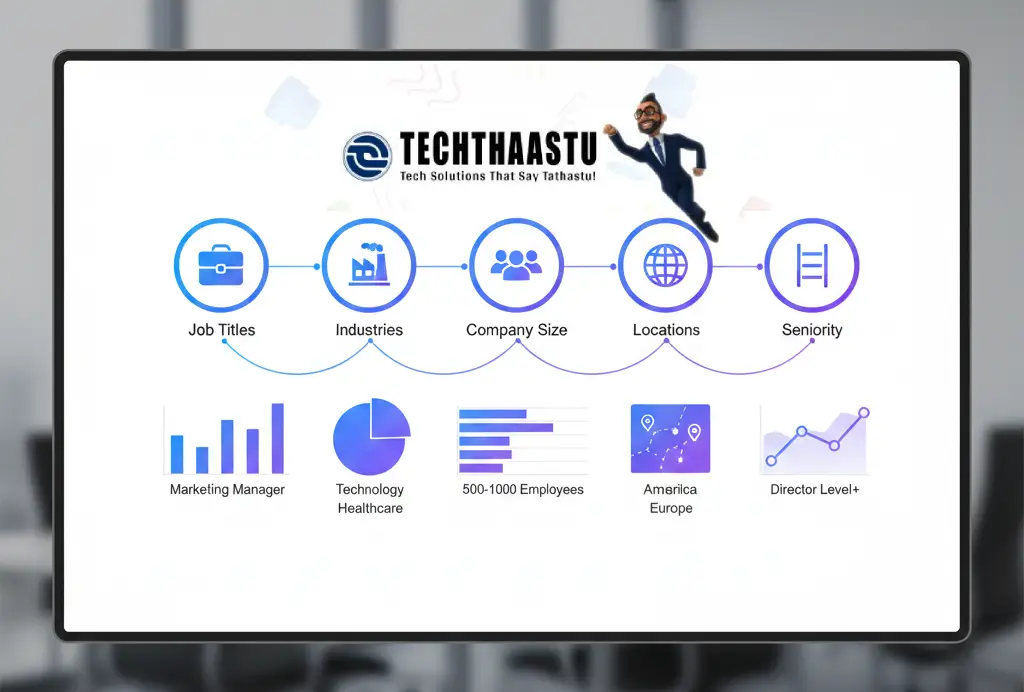
One reason I like LinkedIn Ads is demographic clarity. I can see performance by job title, industry, seniority, company size, and location.
Instead of assumptions, LinkedIn shows who converts. Once I find high-performing segments, I build new targeting sets around them and even use audience expansion for scale.
This turns LinkedIn into a precision B2B marketing engine where quality beats volume.
High-value decisions belong here.
If your buyers are professionals who research before purchasing, LinkedIn ad measurement delivers long-term returns.
Not every business belongs on LinkedIn.
LinkedIn works best when buying decisions are thoughtful and high value, not emotional and instant.
Turn strategy into motion.
Clicks do not pay salaries. Revenue does.
LinkedIn Ad Measurement is not about watching dashboards all day. It is about connecting marketing actions with business impact. When I stopped guessing and started measuring properly, LinkedIn stopped being an expense and started becoming a predictable growth channel.
By choosing the right objectives, tracking meaningful metrics, setting up conversion tracking, analyzing performance, and optimizing continuously, you can turn LinkedIn Ads into a real B2B revenue engine. Measure what matters, scale what works, and let your data tell the story of growth.
Explore blogs you should also liked
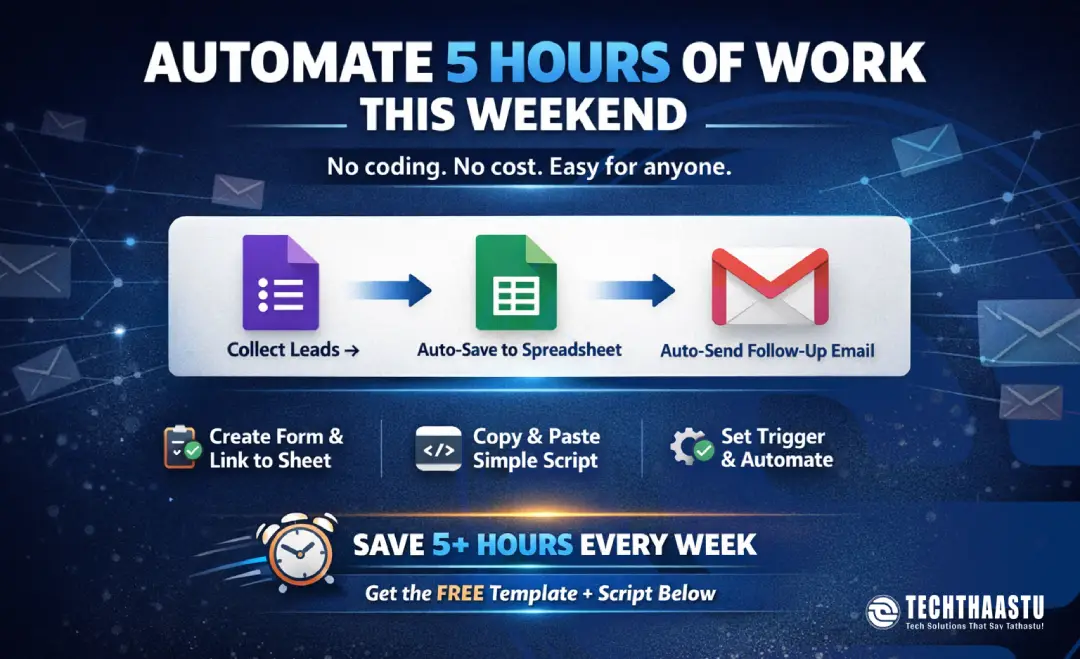
Learn how I built a free automation emailer using Google Forms, Sheets, Apps Script, and Gmail. A complete beginner-friendly walkthrough to send personalized follow-up emails automatically—no paid tools, no coding expertise required.
Updated On: 2026-10-03 23:17:53
Read More
Learn how to rank your Google Business Profile with Google's relevance, distance and prominence framework, plus GBP optimization and Maps visibility tips.
Updated On: 2026-10-03 23:09:22
Read More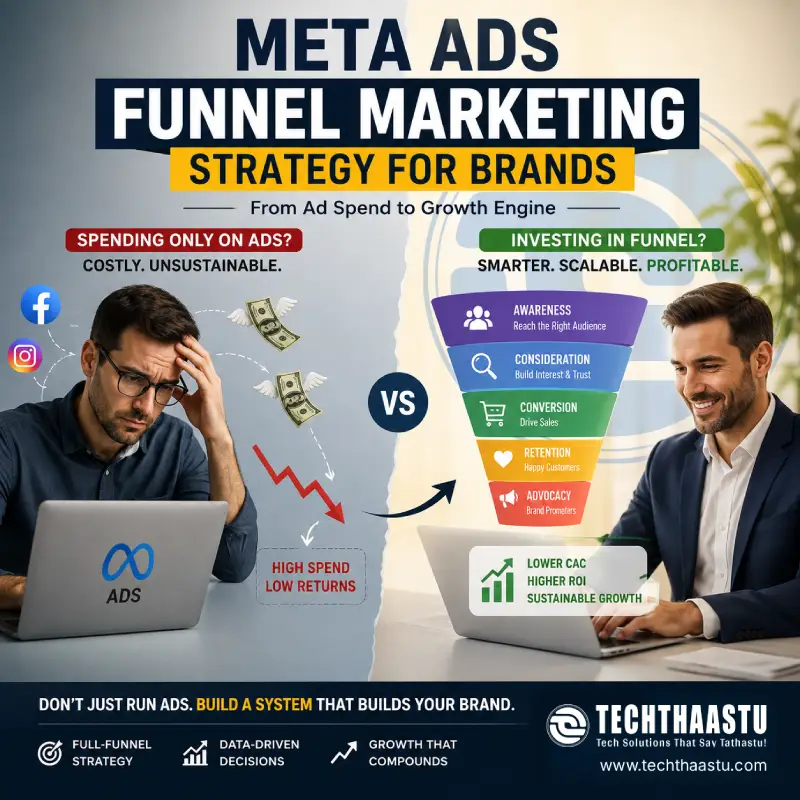
Learn how Meta Ads can work as a complete marketing funnel for a new brand—from awareness and trust to consideration, conversion, remarketing and customer growth.
Updated On: 2026-10-03 23:07:04
Read More
SEO, AEO, and GEO strategies that work in 2026 — updated Core Web Vitals thresholds, what replaced guest posting, and how to get cited by AI search.
Updated On: 2026-10-03 22:53:38
Read More Techthaastu builds practice management systems, client portals, and automation tools for CA firms, legal practices, and insurance companies across India. Based in New Delhi. Real team. Real results.
Just send us a mail.
Techthaastu Private Limited, Pt. Mehru Marg, Near Govt. Girls Senior Secondary School(Bijwasan), vill. Bharthal, Dwarka sector 26, New Delhi, India 110077
Techthaastu Support Team
Typically replies within an hour