What We Already Done Yet
CHECK OUR CREATIVE WORK

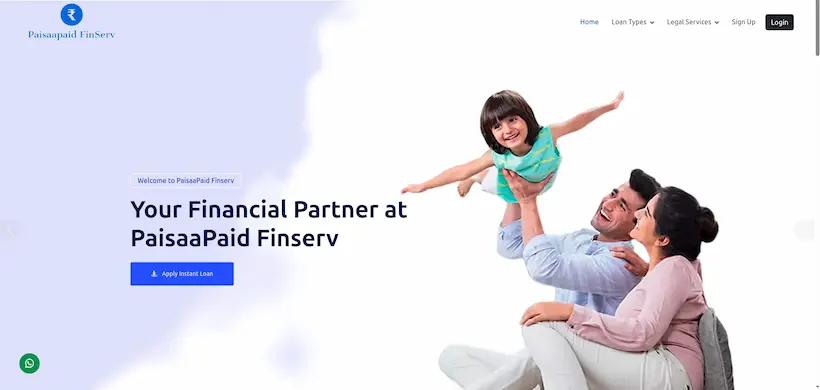

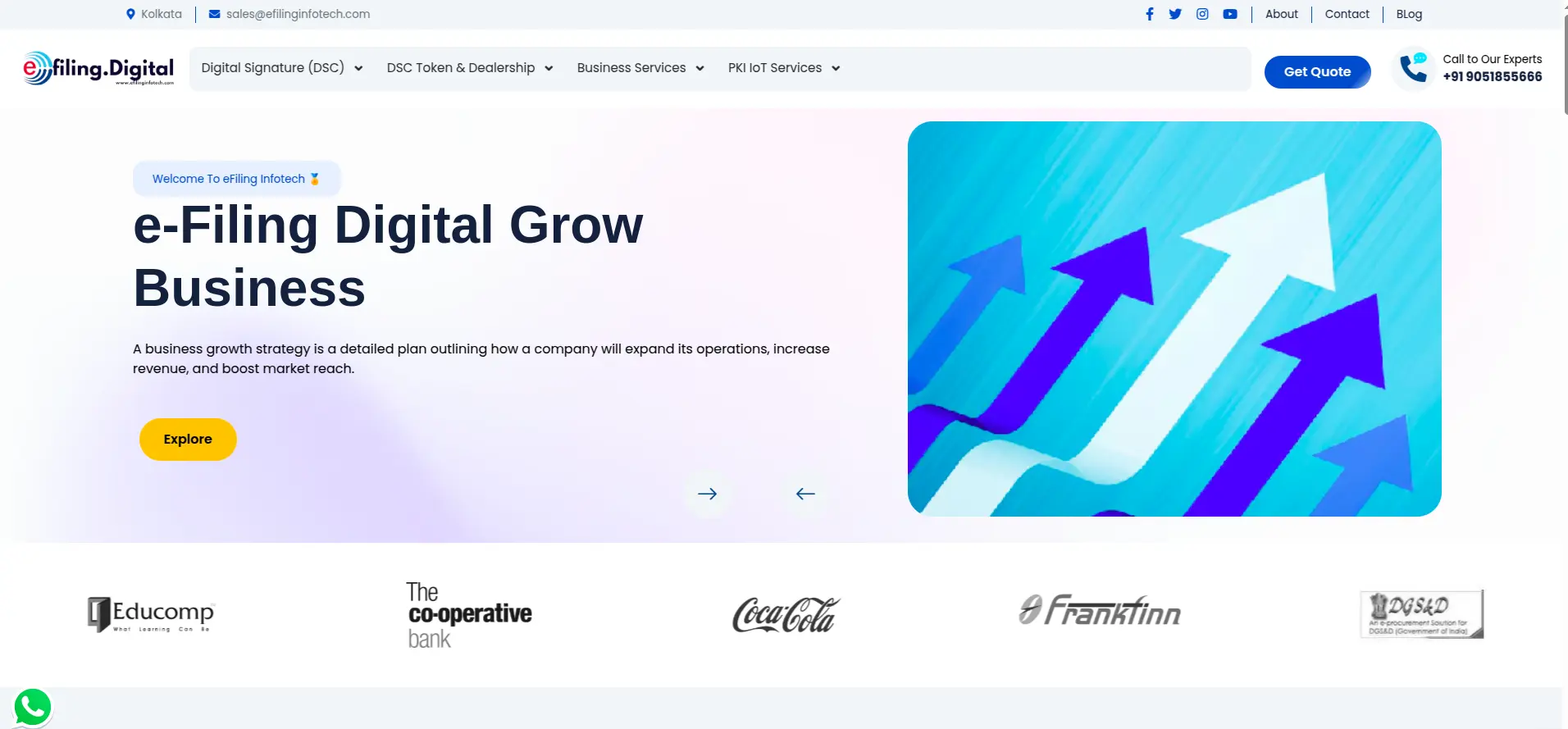
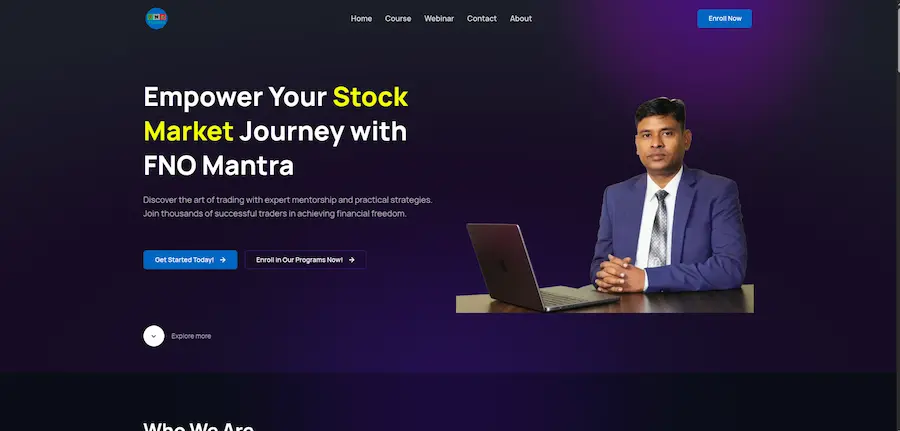

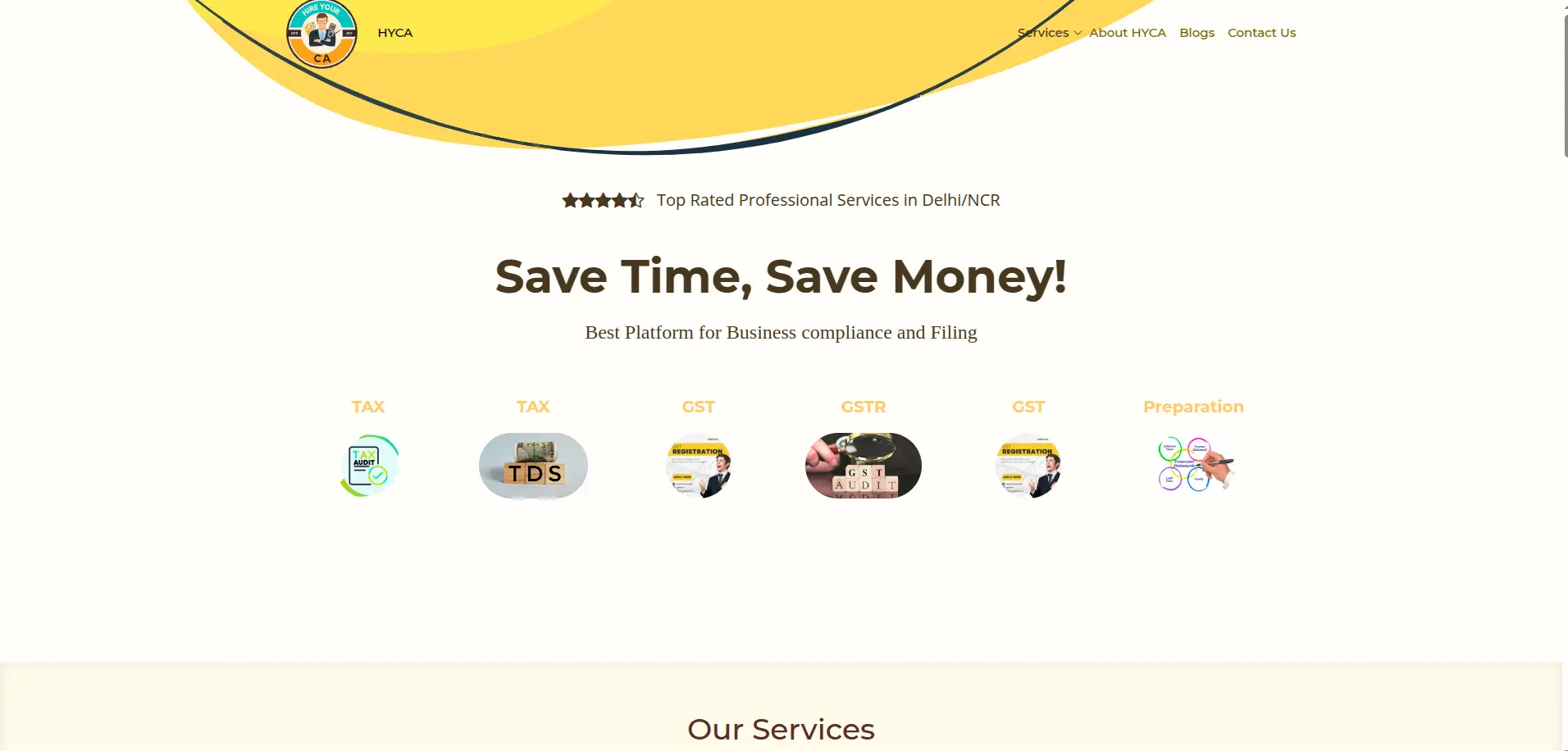

Website Development · Gurgaon, Haryana
Your website should do more than display a company name, a few photographs and a contact number. It should help prospective customers understand what you offer, assess whether your business fits their needs and take the next step without unnecessary confusion.
Techthaastu Pvt Ltd approaches website development as a business and technology decision. We consider your services, target customers, enquiry process, content, integrations and plans for future growth before defining the implementation.
Whether you operate a small business, a manufacturing company, a logistics firm, a startup or a professional practice in Gurgaon, the right solution depends on the work the website needs to perform.
What should visitors understand, request or complete?
Which pages, forms, integrations or workflows are necessary?
What should be delivered now, and what can follow later?
Different businesses need different digital capabilities
Gurgaon has a varied commercial environment, from corporate and professional services to manufacturing and logistics. The website requirements of a business serving enterprise buyers are different from those of a local professional firm or an online retailer.
Present product specifications, capabilities, certifications where applicable, downloadable catalogues and structured quotation requests. This helps buyers evaluate a supplier before contacting the sales team.
Relevant to businesses serving industrial areas such as Udyog Vihar and IMT Manesar.
Organise freight, warehousing, distribution or transport services around the questions customers ask. Enquiry forms can collect shipment type, route, approximate load and contact information where relevant.
The objective is a more useful first enquiry, not an unsupported promise of additional bookings.
Explain accounting, tax, audit or advisory services through dedicated pages, professional profiles, client enquiry routes and relevant onboarding information. Secure document workflows should be scoped separately when required.
Structure practice areas, service or policy information, professional profiles and consultation enquiries. Where sensitive information or authenticated client access is required, the design must account for appropriate access and data-handling controls.
A business serving customers in Gurgaon may also serve clients elsewhere in India. We can structure the website around the actual service area, customer locations and commercial goals rather than adding locality names that do not reflect the business.
Connect each development decision to a practical business purpose
Requirement: Clear service pages and useful navigation.
Outcome: Prospective customers can understand your offering before they call or email.
Requirement: A structured contact, consultation or quotation form.
Outcome: Your team can receive relevant project details before starting a conversation.
Requirement: Product catalogues, specifications, service categories or project information.
Outcome: Buyers can evaluate your business with less dependence on introductory calls.
Requirement: Crawlable pages, descriptive headings, appropriate metadata and clear internal navigation.
Outcome: Search engines can better interpret the site's content. Rankings are not guaranteed.
Requirement: Where justified, connect forms with existing business tools or introduce a defined digital workflow.
Outcome: Less re-entry of information and a clearer process for handling requests.
Requirement: A maintainable structure and an agreed approach to future changes.
Outcome: New pages or features can be assessed without treating every change as a complete rebuild.
Start with the job the system needs to perform
| Solution | What it does | When it fits |
|---|---|---|
| Business website | Presents services, company information and contact details. | Small businesses, startups and professional firms establishing or improving their online presence. |
| Lead-generation website | Organises service pages, calls to action and enquiry forms. | Businesses that want to qualify prospective customers. |
| e-Commerce website | Supports product listings, cart, checkout and configured payments. | Retailers and businesses selling products online. |
| Web portal | Provides authenticated users with role-specific information or actions. | Client, vendor or employee access where public pages are not sufficient. |
| Web application | Runs defined workflows, processes data and applies business rules. | Businesses needing a purpose-built operational system or dashboard. |
If customers mainly need to understand your services, compare offerings and contact your team, a well-planned public website may be sufficient. A CMS can also help authorised staff update content without editing code directly.
If users need accounts, different permissions, saved records, dashboards, approval steps or integration with existing systems, define those workflows before deciding whether a portal or web application is appropriate.
Features should follow the actual workflow
A manufacturer's website often needs to answer detailed questions before a buyer requests a quotation.
Business outcome: Better-organised product information and more structured sales enquiries.
Service information should help customers understand the available transport, freight, storage or distribution options.
Business outcome: A clearer path from service discovery to a usable quotation request.
Visitors should be able to understand the practice's services, relevant expertise and appropriate enquiry process.
Business outcome: More organised service discovery and a defined starting point for client communication.
Service-specific information should help visitors identify the appropriate professional or service channel.
Business outcome: Clearer service information and more structured initial enquiries.
These are possible implementation options, not a promise that every feature is included in a standard website package. Sensitive information, regulated workflows, third-party connections and authenticated portals require separate scope definition and appropriate client or compliance review.
Select functionality based on real customer and operational needs
Adapt page structure and controls to mobile, tablet and desktop screens so customers can navigate and enquire on their preferred device.
Where a CMS is appropriate, authorised staff can maintain agreed content such as services, announcements, articles and product information.
Capture relevant information, validate fields and route submissions to agreed email addresses or connected systems.
For suitable projects, integrate a supported payment gateway or commerce platform. Provider charges, settlement rules and testing must be considered separately.
Connect the website with existing systems when suitable APIs, access permissions and integration requirements are available.
Where the project requires a business application, provide defined administrative functions, role permissions and operational views based on agreed workflows.
A contact form may be sufficient for a small service business. A manufacturer may need an RFQ workflow, while a larger operation may require CRM integration or an internal dashboard. Define the minimum useful release first, then assess additional features against business value, complexity and ongoing ownership.
A polished interface is only one part of a successful implementation. The underlying structure must support the content, functionality and maintenance expectations agreed for the project.
Techthaastu positions AI-assisted development alongside experienced human oversight. AI tools can accelerate selected coding and prototyping tasks; technical judgement is still needed to assess architecture, implementation quality, integration behaviour and production readiness.
Descriptive URLs, meaningful headings, crawlable content, metadata and appropriate internal links.
Review loading behaviour, images, scripts and relevant Core Web Vitals rather than promising a perfect score.
Apply appropriate validation, permissions and protections based on the actual forms, accounts and data involved.
Test important user journeys, review dependencies and document responsibilities for future changes.
Tools such as AI coding assistants and AI website builders can make it faster to produce a prototype or an initial implementation. They can be useful when exploring an interface or validating an idea.
A working demo, however, is not automatically a production-ready business system. The required level of review depends on the project's complexity, users, data and operational consequences.
Define the scope before committing to implementation
Understand the business, audience, services, current website, primary objective and existing operational constraints.
Define pages, features, integrations, user roles, content responsibilities and the proposed implementation approach.
Agree on deliverables, dependencies, exclusions, costs, responsibilities, timeline and acceptance criteria.
Implement the approved structure, design and functionality, with reviews at the agreed milestones.
Check responsive layouts, forms, key workflows, links, integrations and agreed technical requirements before launch.
Deploy according to the agreed plan and document access, ownership, support arrangements and any outstanding responsibilities.
There is no reliable single price for every website. A small informational website and a custom system with multiple user roles, payments or external integrations involve different levels of design, implementation and testing.
Techthaastu should estimate your project against its agreed scope rather than quote a generic figure that excludes requirements you actually need.
Timing depends on the approved scope, availability of content and feedback, integration dependencies and testing requirements. A delivery estimate should be provided after these factors are reviewed. No universal timeline is promised on this page.
A finished website also needs a clear handover plan
Establish who owns the domain account, manages hosting, pays renewals and can access essential settings.
Document the agreed source-code handover, repository access, third-party accounts and licence responsibilities.
Define whether future updates, backups, dependency maintenance, monitoring and troubleshooting are included or separately contracted.
Agree how additional pages, feature changes and new integrations will be estimated, approved and delivered.
You do not need a complete technical specification before contacting Techthaastu. A clear explanation of your business and the problem you want to solve is a useful starting point.
If you already have a website or business system, share its public URL and explain what should change. Credentials and sensitive documents should not be sent through an ordinary enquiry form.
Tell Techthaastu what your business does, what your current website does well or poorly, and what you want customers or staff to accomplish. We can use that information to discuss the appropriate solution, likely scope and next steps.
CHECK OUR CREATIVE WORK
Crafting Excellence with Cutting-Edge Technologies











WHAT OUR CLIENT SAY

Ramesh Singh
I have associate with Techthaastu to develop my saloon website and it was Very Good Experience, Professional Work, Strongly Recommend Other People.
Bhupender Singh
Exemplary Web Development Firm! Astounding Proficiency, Seamless Correspondence, and Enthralling Creations. Warmly Advocated

Mukesh Pasbola
Tech Thastu is one of the best professional organised company to develop professional website and online marketing channel to develop business growth. I have been used their services for my business growth. Their Team provides the best outcome of services that matches the business profiles and requirements to make changes in the marketing platform.
Aman Sharma
I chose TechThaastu for my mobile app project, and they effortlessly met all my requirements. Their highly experienced team can tackle any issue in minutes, making the entire experience incredibly smooth and professional.
Frequently Asked Questions
Explore Related Blogs of the Website Development in Gurgaon
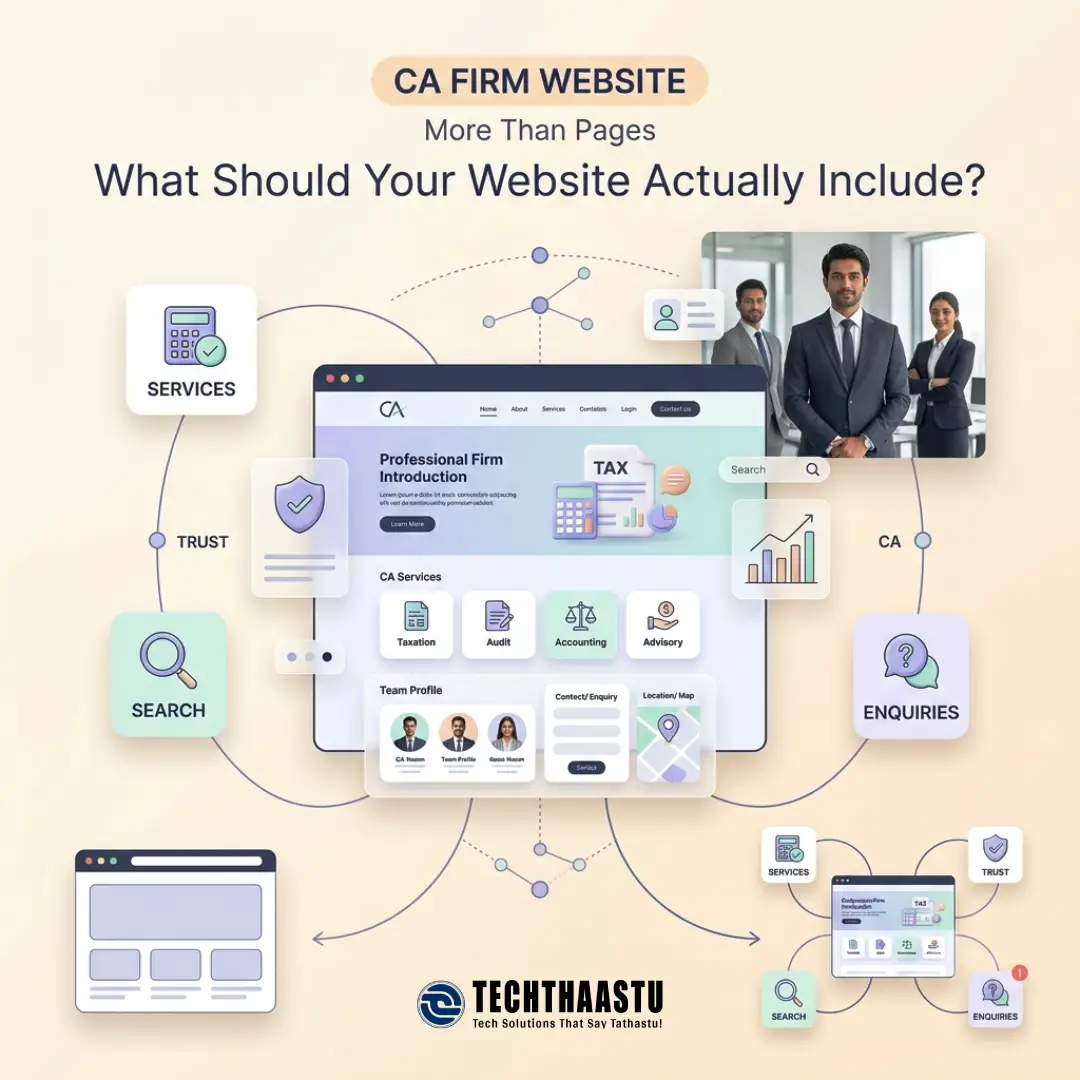
Learn what a CA firm website needs: pages, SEO, ICAI considerations, features, cost factors and content. Plan your website with this practical guide.
Updated On: 2026-09-23 17:16:37
Read More
Struggling to grow your CA firm? Discover the real challenges CA service providers face daily, practical solutions, and how Techthaastu helps you build a thriving practice.
Updated On: 2026-03-23 14:58:43
Read More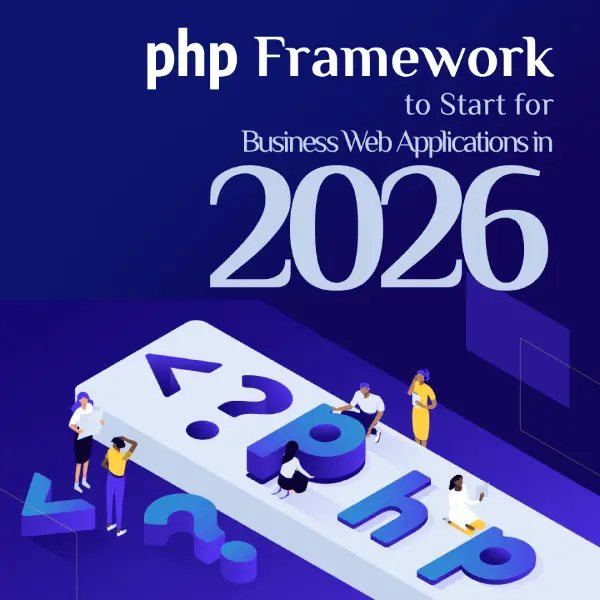
Why PHP frameworks like Laravel and CodeIgniter4 remain strong choices for business web apps in 2026. Financial benefits, pros & cons, top frameworks and future trends.
Updated On: 2025-10-14 18:59:11
Read More
Integrate PhonePe payment gateway in your website for secure and seamless online transactions. Techthaastu Sharing Source Code and Instuctions how to implement PhonePe Payment Gateway.
Updated On: 2025-05-19 13:44:22
Read More
Step-by-step Razorpay setup for CodeIgniter websites. Enable secure payments, multiple options, easy refunds & user-friendly checkout. Start integrating now!
Updated On: 2025-03-24 15:55:29
Read MorePlease feel free to call or email us, or use our contact form to get in touch with us. We look forward to hearing from you!
Our office:
Techthaastu Private Limited, Pt. Mehru Marg, Near Govt. Girls Senior Secondary School(Bijwasan), vill. Bharthal, Dwarka sector 26, New Delhi, India 110077
Call us:
+918383889042
Send Us Mail:
contact@techthaastu.com
Contact Techthaastu Team today and let our experienced team of professionals transform your digital aspirations into reality
 Techthaastu builds practice management systems, client portals, and automation tools for CA firms, legal practices, and insurance companies across India. Based in New Delhi. Real team. Real results.
 Just send us a mail.
Techthaastu Private Limited, Pt. Mehru Marg, Near Govt. Girls Senior Secondary School(Bijwasan), vill. Bharthal, Dwarka sector 26, New Delhi, India 110077
Techthaastu Support Team
Typically replies within an hour